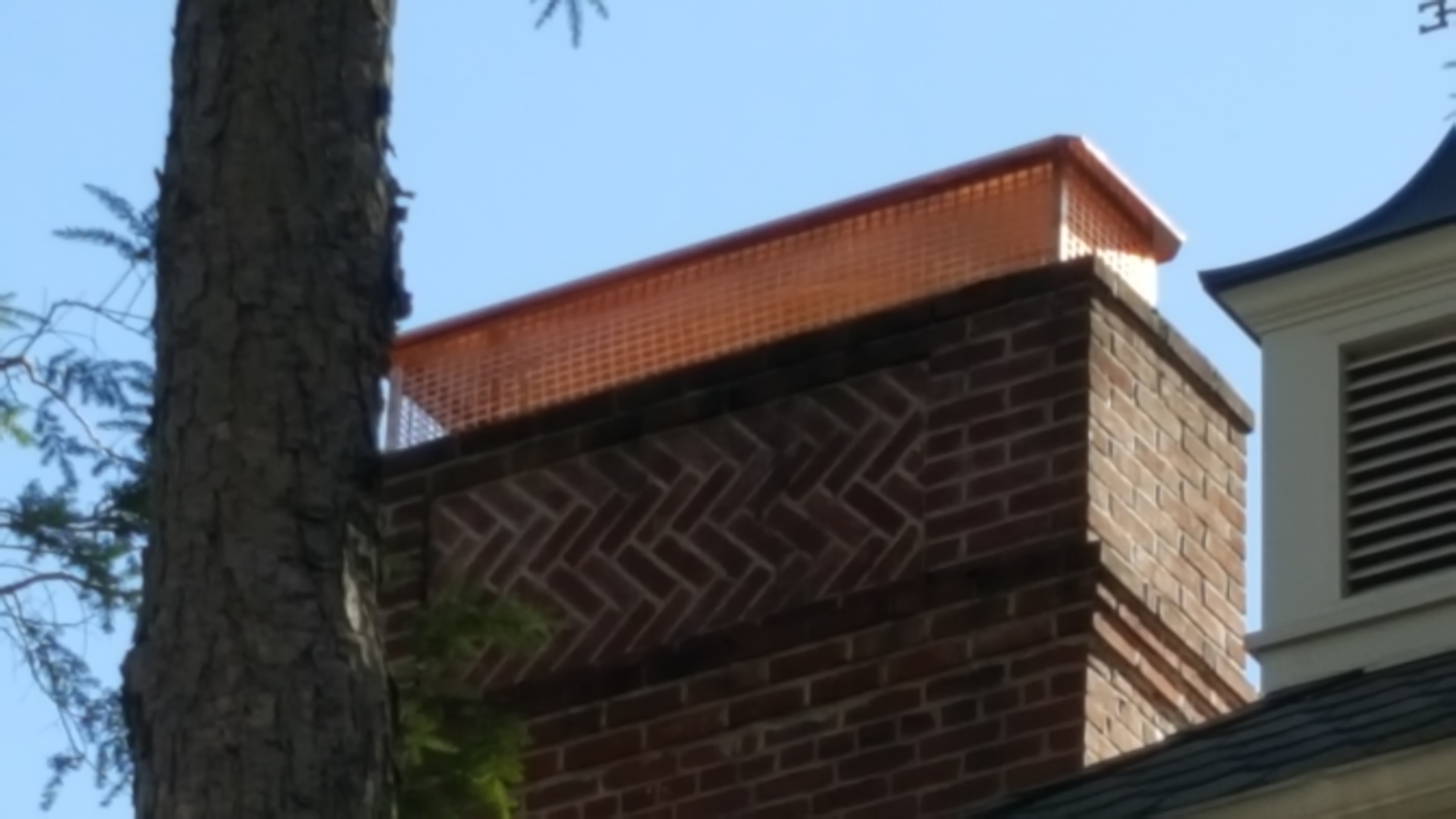
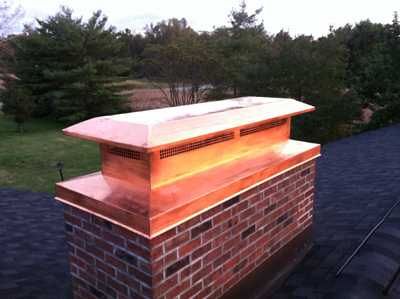
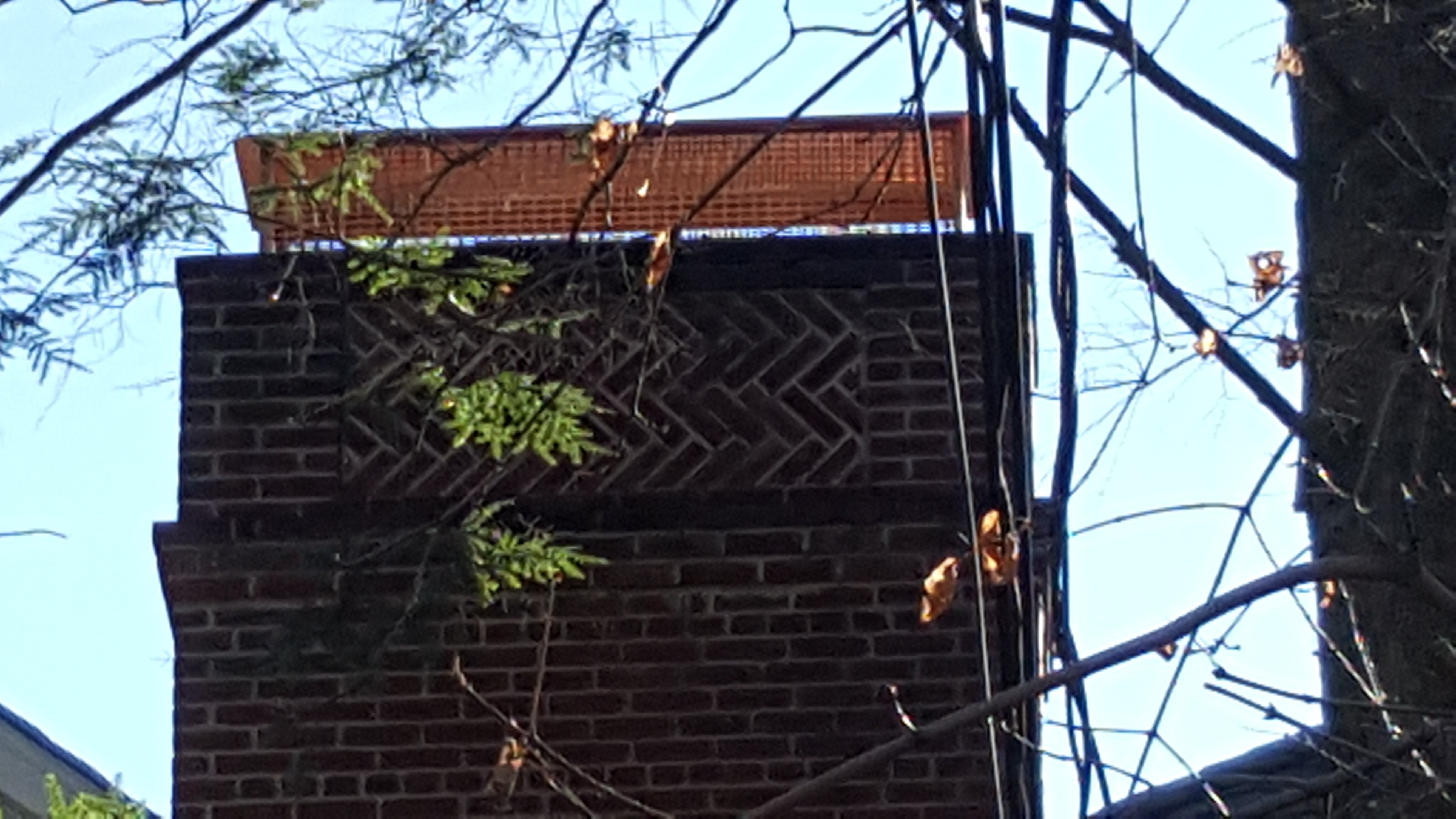
Homeowners in Bellmore rely on their chimneys for reliable heat throughout the long, cold winters on Long Island. Yet the chimney cap, a small metal fixture sitting atop the flue, often gets overlooked until damage occurs. This simple component does extraordinary work, standing between your chimney system and the harsh Nassau County weather. When a chimney cap fails or deteriorates, the consequences ripple through the entire structure. Water seeps into the flue and surrounding masonry. Animals find shelter inside your chimney. Debris accumulates. Understanding why chimney cap replacement matters can save Bellmore homeowners thousands in repairs down the road.
Rain and snow are relentless on Long Island, particularly during nor'easters and winter storms that roll across the region. Homes in Bellmore face exposure to moisture-laden air, especially those near South Bellmore and closer to the water's influence. Without a functioning chimney cap, rainwater enters the flue opening directly and travels downward into the chimney structure. This moisture then contacts the interior flue liner, masonry, and damper. Over time, water damage weakens mortar joints and causes efflorescence, the white powdery staining visible on exterior chimneys. For Bellmore homeowners with oil heating systems, a compromised chimney means oil furnace exhaust has nowhere to safely vent. The dampness also promotes rust inside metal components and deterioration of the damper mechanism itself.
Storm damage frequently necessitates chimney cap replacement for residents of Bellmore. Severe wind, falling tree branches, and heavy snow loads can dislodge or crush an aging cap. After a significant storm passes through Nassau County, Bellmore chimneys often sustain visible damage that demands immediate attention. A bent or partially detached cap no longer creates a seal, leaving the flue entrance vulnerable to the next weather event. Sometimes the damage is obvious, like a visibly askew or crumpled cap. Other times, homeowners don't realize their cap was compromised until they notice water stains on interior ceilings or smell musty odors near the chimney. Douglas Eberling has served Bellmore since 2001, responding to countless post-storm chimney issues.
Animals and birds see uncapped chimneys as inviting nesting sites. Raccoons, squirrels, birds, and bats can enter through an open or damaged flue. Once inside, they build nests that block the flue opening and create fire hazards. Nesting materials are highly flammable and restrict airflow needed for safe chimney operation. Bellmore homeowners often don't realize animals have moved in until they hear scratching sounds or notice foul odors. Birds may even become trapped inside the house. A properly functioning chimney cap features a mesh screen design that excludes these intruders while still allowing smoke and gases to exit safely. For Bellmore residents concerned about wildlife, a solid cap replacement is often the most effective prevention strategy available.
Leaves, pine needles, twigs, and other debris blown by Long Island winds constantly fall onto roofs and chimney tops. Without a functioning cap, this debris enters the flue opening and accumulates inside. Debris buildup reduces draft efficiency and creates blockages that prevent proper venting. It also increases the risk of chimney fires, since accumulated leaves and twigs are combustible. Bellmore homeowners with trees near their homes face higher rates of debris accumulation. A chimney cap with a properly designed cover prevents debris from falling through while allowing exhaust gases to escape sideways through the cap's mesh sides. This design has proven effective across many homes on Long Island and remains the industry standard for good reason.
The age of most homes in Bellmore means many chimneys have original or aging caps installed decades ago. These older caps may be made from inferior materials or feature designs that have been improved upon since installation. Corrosion, rust, and metal fatigue naturally occur over time, especially in the salt-laden air near Long Island Sound. Bellmore homeowners who have never replaced a chimney cap, or who replaced one more than fifteen years ago, should consider scheduling an inspection. A deteriorating cap may look intact from ground level but have compromised structural integrity at the flue opening. The cost of a replacement cap is minimal compared to the damage caused by a failed one.
DME Maintenance serves every street in Bellmore. We have been cleaning chimneys on Long Island long enough to know exactly what local homes need — from older clay-lined flues in pre-war houses to modern stainless steel liner systems in newer construction.
Weather conditions on Long Island shift dramatically throughout the year, making year-round vigilance important for Bellmore residents. Spring brings heavy rains and nor'easters that test chimney integrity. Summer storms can arrive with little warning. Fall leaves accumulate rapidly. Winter cold and snow add weight and stress to chimney components. Each season presents different challenges that a solid chimney cap protects against. Bellmore homeowners who use their fireplaces or oil heat systems during colder months especially benefit from knowing their cap is sound and ready for whatever the Nassau County climate delivers.
DME Maintenance has been the trusted chimney service for Bellmore homeowners and contractors across Long Island since 2001. Douglas Eberling brings decades of experience identifying and replacing damaged chimney caps before major problems develop. DME Maintenance understands the specific challenges that homes in Bellmore face, from salt spray to seasonal storm activity to the age and construction styles of local housing stock. We've helped countless Bellmore residents avoid the costly water damage, animal intrusions, and venting problems that follow cap failures. If your chimney cap shows signs of wear, damage, or corrosion, or if you can't remember when it was last replaced, contact us today at 516-690-7471. Don't wait for the next storm or cold spell to expose problems. Call DME Maintenance now and let us protect your chimney and your home.